
If you are planning a trip to Greece or learning Greek, the seasons are more than just weather words. They affect what people wear, when shops and restaurants are busiest, what locals eat, how holidays feel, and even how Greeks talk about daily plans.
In Greek, seasons are connected to everyday life, travel habits, food culture, and mythology. You will hear them in conversations about vacations, school, work schedules, festivals, and family traditions.
Why Greek Seasons Matter
Greece has four main seasons, just like many other European countries:
- Άνοιξη — spring
- Καλοκαίρι — summer
- Φθινόπωρο — autumn / fall
- Χειμώνας — winter
The Greek word for seasons is εποχές, pronounced epohés. The singular form is εποχή, meaning “season” or “period.”
For travelers, knowing the seasons helps you understand when Greece is crowded, hot, quiet, expensive, rainy, or festive. For language learners, season words appear constantly in real conversations: booking hotels, discussing weather, talking about holidays, and making plans with friends.
The Four Seasons in Greek
Spring in Greek: Άνοιξη
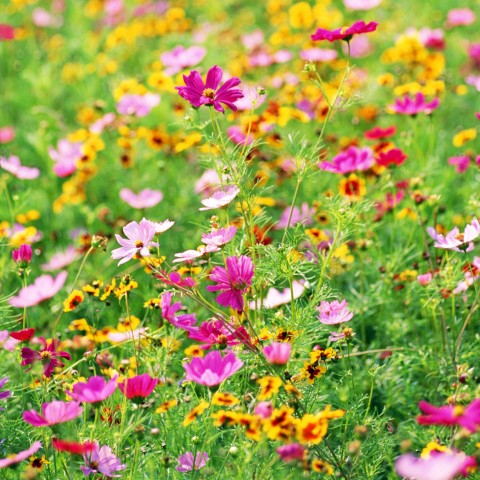
Spring is άνοιξη (ánixi). It is one of the most beautiful times to visit Greece because the weather is mild, flowers bloom, and outdoor cafés become lively again.
Greek Easter occurs in spring, and it is one of the most important celebrations in Greek culture. Travelers may notice candlelit church services, family meals, roasted lamb, red-dyed eggs, and busy transportation around Easter weekend.
In daily conversation, Greeks often talk about spring as a time when the weather “opens up,” which fits the feeling of the word άνοιξη, connected to opening.
Summer in Greek: Καλοκαίρι
Summer in Greek is καλοκαίρι (kalokéri). This is the most famous travel season in Greece, especially for islands like Santorini, Mykonos, Crete, Rhodes, Corfu, and Naxos.
You will also hear words like ζέστη, meaning “heat,” and διακοπές, meaning “vacation.” Summer in Greece means long beach days, late dinners, open-air cinemas, island ferries, festivals, and very hot afternoons. Many locals avoid going outside during the strongest sun and prefer evening walks, late meals, and socializing after sunset.
Autumn in Greek: Φθινόπωρο
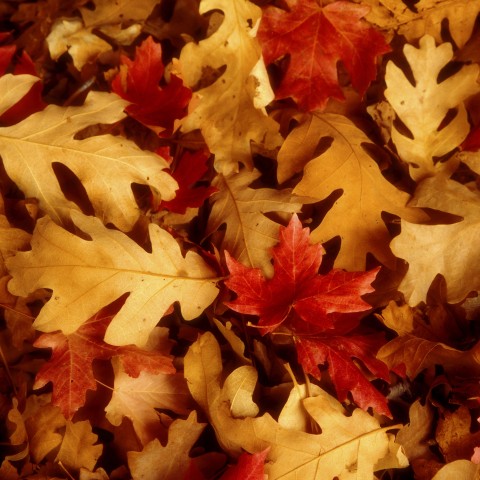
Autumn is φθινόπωρο (fthinóporo). It can be a wonderful season for travelers who want fewer crowds and more comfortable weather.
In many parts of Greece, September still feels like summer. The sea is often warm, but the atmosphere is calmer than in July or August. October and November bring cooler evenings, occasional rain, grape harvest traditions, school routines, and a return to everyday life after the summer holidays.
For language learners, autumn is useful because people talk about going back to work, school, university, and city routines.
Winter in Greek: Χειμώνας
Winter in Greek is χειμώνας (himónas). Many travelers imagine Greece as sunny all year, but winter can be cold, rainy, and even snowy in mountainous areas. Athens and Thessaloniki are quieter than in summer, while mountain villages and ski areas become more popular.
Winter is also linked to Christmas, New Year’s, Epiphany, cozy tavernas, soups, hot drinks, and indoor social life. On the islands, winter can feel very different from summer because many tourist businesses close or operate on reduced schedules.
Greek Seasons and Mythology
The Story Behind the Seasons
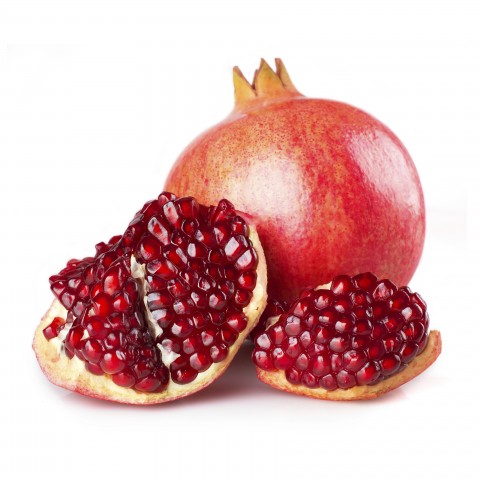
Greek mythology gives the seasons a powerful emotional story. The famous myth of Persephone explains the changing of the year through the relationship between Persephone, her mother Demeter, and the underworld.
In simple terms, Persephone is taken to the underworld by Hades. Demeter, goddess of agriculture and harvest, grieves deeply. While she mourns, the earth becomes barren. When Persephone returns, the earth becomes fertile again. The tale of Hades and Persephone is quite popular and explains how the natural world moves between growth and decay.
That is why Greek mythology is not just about gods and ancient stories. It reflects how people understood farming, food, loss, return, and the rhythm of nature.
For learners, this myth is a helpful cultural bridge. It gives emotional meaning to words like spring, harvest, winter, earth, mother, daughter, and return.
Traditions Connected to the Seasons
Spring Traditions
Spring in Greece is strongly connected with Easter. You may see people attending church services late at night, carrying candles, greeting each other with Easter phrases, and sharing large family meals.
Common spring experiences include:
- Wildflowers in the countryside
- Outdoor cafés filling up again
- Greek Easter preparations
- Day trips and village visits
- Mild weather for walking tours
Summer Traditions
Summer is the season of beaches, islands, festivals, and late-night life. Many Greeks take vacation in August, and some cities feel quieter while islands and coastal towns become very busy.
Travelers should expect:
- Hot midday temperatures
- Busy ferries and hotels
- Later dinner times
- Outdoor concerts and festivals
- Crowded beaches in popular destinations
Autumn Traditions
Autumn is less dramatic than summer, but it is very important in daily life. Schools reopen, people return to work, and many agricultural activities continue.
Depending on the region, autumn may include:
- Grape harvests
- Olive harvest preparations
- Local food festivals
- Cooler city life
- Quieter travel experiences
Winter Traditions
Winter in Greece includes Christmas, New Year’s, Epiphany, and many local customs. Some areas decorate boats as well as Christmas trees, reflecting Greece’s strong connection to the sea.
Travelers may experience:
- Festive city lights
- Christmas sweets like μελομακάρονα and κουραμπιέδες
- Cold mountain villages
- Rainy city days
- Fewer tourists at major archaeological sites
What Travelers Should Expect by Season
Visiting Greece in Spring
Spring is ideal for sightseeing, hiking, food tours, and cultural trips. The weather is usually pleasant, and major destinations are less crowded than in peak summer.
Pack light layers, comfortable shoes, and a jacket for evenings. Around Greek Easter, book transportation and accommodation early because many Greeks travel to visit family.
Visiting Greece in Summer
Summer is best for beaches, islands, nightlife, sailing, and swimming. However, it can be very hot, especially in July and August.
Plan outdoor sightseeing early in the morning or later in the afternoon. Drink plenty of water, wear sunscreen, and remember that locals often slow down during the hottest part of the day.
Visiting Greece in Autumn
Autumn is excellent for travelers who want good weather without peak-season crowds. September is especially popular because it still feels summery in many coastal areas.
Bring layers, especially for October and November. Some island businesses may start closing after the high season, so check schedules before traveling.
Visiting Greece in Winter
Winter is better for city breaks, museums, food, local culture, and mountain travel than for classic beach vacations. Athens, Thessaloniki, and larger towns remain active, while smaller island destinations may be quiet.
Pack a warm coat, especially if you plan to visit northern Greece or mountain areas. Do not assume every island hotel, restaurant, or ferry route will operate like it does in summer.
Essential Greek Vocabulary for the Seasons
- εποχή (epohí) — season
- εποχές (epohés) — seasons
- άνοιξη (ánixi) — spring
- καλοκαίρι (kalokéri) — summer
- φθινόπωρο (fthinóporo) — autumn / fall
- χειμώνας (himónas) — winter
- καιρός (kerós) — weather
- ζέστη (zésti) — heat
- κρύο (krío) — cold
- διακοπές (diakopés) — vacation / holidays
Useful Greek Phrases for Real Life
- Τι καιρό κάνει σήμερα;
Ti keró káni símera?
What is the weather like today? - Ποια είναι η αγαπημένη σου εποχή;
Piá íne i agapiméni sou epohí?
What is your favorite season? - Το καλοκαίρι κάνει πολλή ζέστη.
To kalokéri káni polí zésti.
It is very hot in the summer. - Τον χειμώνα κάνει κρύο.
Ton himóna káni krío.
It is cold in the winter. - Θέλω να πάω στην Ελλάδα την άνοιξη.
Thélo na páo stin Elláda tin ánixi.
I want to go to Greece in the spring.
Quick Grammar Note: Talking About Seasons in Greek
When talking about something that happens “in” a season, Greek often uses το, την, or τον depending on the season:
- την άνοιξη — in spring
- το καλοκαίρι — in summer
- το φθινόπωρο — in autumn
- τον χειμώνα — in winter
For example:
Το καλοκαίρι πηγαίνω στη θάλασσα.
In summer, I go to the sea.
Τον χειμώνα μένω περισσότερο στο σπίτι.
In winter, I stay home more.
This is very useful because Greeks often talk about habits by season: where they go, what they eat, what they wear, and how they spend their free time.
Cultural Tips for Language Learners
Greeks Often Organize Life Around Summer
Summer is not just a season in Greece. It is a major part of the social calendar. People talk about where they will go in August, which island they love, and whether they prefer the βουνό (the mountain) or the θάλασσα (the sea).
Weather Small Talk Is Common
As in many cultures, weather is an easy conversation starter. Phrases about heat, cold, rain, and wind are useful in taxis, shops, hotels, and casual conversations.
Mythology Still Appears in Modern Learning
You do not need to be a mythology expert to learn Greek, but knowing stories like Demeter and Persephone helps you understand cultural references. The seasons are a perfect example of how language, nature, and storytelling connect.
Final Thoughts: Learn Greek Through Real Seasons
Greek seasons are practical, cultural, and memorable. They help you talk about travel plans, weather, holidays, food, clothing, and daily routines. They also connect modern Greek life with ancient stories, especially the myth of Persephone and the natural cycle of growth, harvest, and winter.
To keep building useful Greek for travel and real conversations, continue learning with GreekPod101.com, where you can practice vocabulary, listening, pronunciation, and everyday phrases step by step.