


For many people, Easter in Greece is not just a holiday weekend—it is the biggest and most emotionally powerful season of the year. In Greek Orthodox Christianity, Easter is commonly called Pascha, a word connected to the Jewish Passover (Pesach). Greek sources often explain this link by noting that Pascha recalls liberation—Passover celebrates the Israelites’ Exodus, while Christian Easter celebrates liberation from sin and death through Jesus’ resurrection.
Easter celebrations in Greece blend church, family, and community life. In practice, that means solemn services, processions through streets, candles in the night, and then a joyful feast that brings relatives and neighbors together. Traditions may look different from island to island or even from village to village, and many customs are more visible in smaller towns than in large cities.
If you are new to the topic and wondering what Greek Easter is, a simple definition is this: Greek Easter (Greek Orthodox Easter) is the Greek Orthodox celebration of the resurrection of Jesus Christ, marked by a full week of services and customs called Holy Week. The emphasis is often on the journey from mourning to joy—especially the moment of the Resurrection service at midnight.
Table of Contents- When Greek Easter happens and why the date changes
- Holy Week in Greece: what you will see and hear
- Food, family, and the “taste” of Greek Easter
- Regional experiences: from quiet villages to famous island customs
- How to greet people and what to say
- Conclusion
1. When Greek Easter happens and why the date changes
Many beginners start with the same question: when is Greek Easter? The short answer is that the date changes every year because Easter is a “movable feast,” calculated according to a traditional set of rules (often called the Paschalion) rather than fixed to a single calendar date.
A key reason the date can differ from Western Easter is that Orthodox churches have historically used (and still reference in Easter calculations) the Julian calendar and long-established ecclesiastical rules for determining the timing of Pascha. Because the Julian calendar was made when people had a less accurate understanding of the year’s length, it “drifts,” falling behind the actual day of the year.
Currently, the Julian calendar is 13 days “behind” the common Gregorian calendar. This is why you will sometimes see Orthodox Easter observed later than it is in Western churches. So, when is Greek Orthodox Easter in 2026? According to the Orthodox calendar, Easter Sunday in Greece will be Sunday, April 12, 2026.
2. Holy Week in Greece: what you will see and hear
To understand Greek Easter traditions, it helps to picture Holy Week as a story told over several days, each with its own mood. The week includes church services that remember the final days of Jesus’ life, his crucifixion, burial, and resurrection.
On Holy Thursday, many families prepare foods that will appear later at the Easter table. A well-known pattern is baking Easter breads and cookies and dyeing hard-boiled eggs (often red). Greek reporting on Easter customs notes that eggs are often dyed red and that this color is widely explained as symbolizing Christ’s blood.
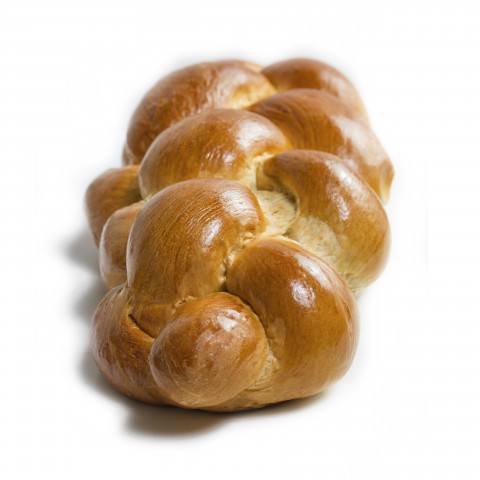
This is also a common day to bake tsoureki, a sweet braided bread strongly associated with Easter.
Good Friday (often called Megali Paraskevi, “Great Friday”) is typically the most solemn day. Many communities hold a candlelit Epitaphios procession: a flower-decorated bier representing Christ’s tomb is carried through neighborhoods while people follow quietly with candles.
A Greek Orthodox church guide explains that the Epitaphios is held above the entrance in some places so people can pass beneath—an act symbolically entering the grave with Christ.
Then comes the highlight for many visitors: Holy Saturday night into Easter Sunday. In popular descriptions of Greek Easter, worshippers gather holding candles, waiting for a holy flame to be shared at midnight—then bells ring, greetings are exchanged, and the mood changes from mourning to celebration.
Travel writing about Greek Easter describes this midnight moment as the instant when the Resurrection is proclaimed, and candles spread light through the crowd—often followed by fireworks in many places.
This midnight service is the start of Easter Sunday (Greek Orthodox) celebrations for many families, even though the big daytime meal comes later.
3. Food, family, and the “taste” of Greek Easter
A major reason Greek Easter feels so vivid is that it is both spiritual and physical: candles, incense, singing, and also the first rich meal after a long fasting season. Greek cultural commentary often notes that Easter is preceded by a lengthy period of fasting that culminates in Holy Week.
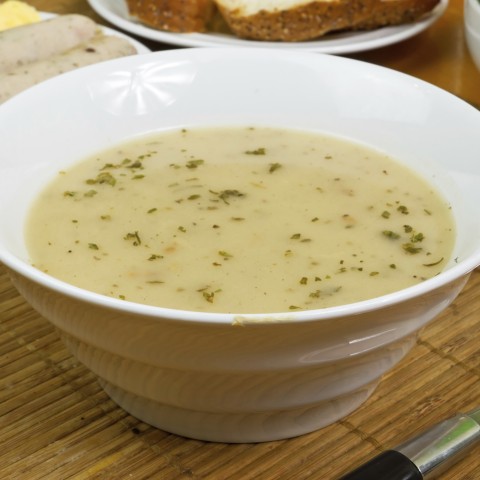
Right after the midnight Resurrection service, families traditionally break the fast with a late meal. A common dish is magiritsa, a soup associated with the end of Lent and the start of feasting. Travel coverage describes magiritsa as a classic post-midnight Easter meal (often made with lamb offal and herbs), served when families return home from church.
The next day, the center of the celebration is the Easter Sunday table. Many sources highlight that roast lamb is a signature dish of Greek Easter, often cooked outdoors and shared with extended family.
In some places, another traditional roast is kokoretsi (seasoned intestines cooked on a spit), which often appears alongside lamb in festive descriptions of the meal.
Even if your household traditions differ, the main idea remains the same: Easter Sunday focuses on togetherness, hospitality, and a sense that spring and life have “returned.”
One small but famous custom you may see is the red-egg “tapping” game, commonly called tsougrisma. People tap eggs against each other, and the person whose egg stays uncracked is often said to have good luck.
For beginners, it helps to remember that these foods and games are not random: they are closely tied to the Resurrection theme and the shift from fasting to feasting.
4. Regional experiences: from quiet villages to famous island customs

Another important part of Easter in Greece is movement. Greek cultural reporting notes that many city residents leave Athens or Thessaloniki around Easter to visit family villages or countryside homes, so major cities can feel noticeably quieter during the holiday period.
This is one reason visitors sometimes describe Greek Easter as especially “local”: the celebration becomes concentrated in community spaces—parish churches, village squares, family courtyards, and shared tables.
Some places are widely known for unique public traditions:
Corfu is famous for botides, the pot-throwing custom on Holy Saturday morning. A Corfu travel-agents association describes crowds gathering around central areas like Liston and Spianada Square at about 11:00 to watch clay pots thrown from balconies—an event many connect with the Resurrection symbolism and the start of something new.
Chios is known for the Rocket War (rouketopolemos) in the village of Vrontados. Greece’s official tourism site describes this custom as taking place on Holy Saturday evening in Vrontados, Chios.
Local descriptions add that two rival church congregations launch thousands of rockets, aiming toward the opposing bell tower—an intense tradition that has become internationally famous.
These regional customs are optional, not “required,” and they remind beginners of an important point: Greek Easter has a shared core (Holy Week services and the Resurrection) but many local expressions.
5. How to greet people and what to say
Many learners also want to know how to say “Happy Easter” in Greece, especially because greetings change slightly depending on the day.
A common, simple greeting before Easter Sunday is “Kalo Pascha” (Καλό Πάσχα), often translated as “Happy Easter” or “Good Pascha.”
You may also hear “Kali Anastasi” (Καλή Ανάσταση), meaning “Good Resurrection,” especially as Holy Week moves toward Saturday night.
After the midnight Resurrection proclamation, a famous exchange is:
“Christos Anesti” (Χριστός Ανέστη) — “Christ is risen.”
“Alithos Anesti” (Αληθώς Ανέστη) — “Truly He is risen.”
If you have ever searched online for Greek happy Easter or even typed happy easter greece into a search bar, these are usually the phrases you are looking for—especially “Kalo Pascha” before Easter and “Christos Anesti” after midnight.
For travelers and beginners, the best approach is simple: listen first, and match what you hear. Because customs can be very community-based, it is polite to follow local cues, especially around church services and processions.
6. Conclusion
From the mournful processions of Good Friday to the fireworks-lit night of the resurrection, the celebration of Easter is a profound experience. The blend of solemnity and exuberant feasting creates a rhythm that has defined the spring season for centuries.
Through understanding, you will gain a much deeper appreciation for this cornerstone of cultural identity. The holiday is a profound celebration of life, community, and the enduring human spirit welcoming the arrival of spring.